Zrozumienie śrub niewypadających i ich roli przemysłowej
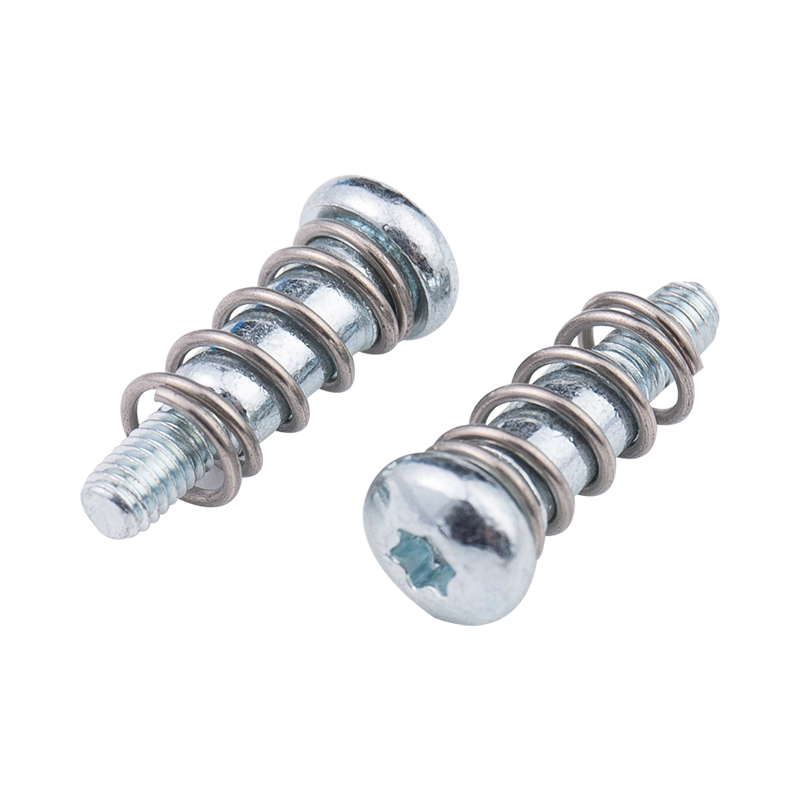
Śruby uwięzione to specjalistyczne elementy mocujące, zaprojektowane tak, aby pozostały przymocowane do panelu, pokrywy lub zestawu nawet po poluzowaniu. Unlike standard screws that can fall out completely during maintenance or disassembly, captive screws stay secured within the equipment structure. Ta prosta, ale bardzo skuteczna konstrukcja zapewnia znaczne korzyści operacyjne i finansowe w wielu branżach.
Manufacturers use captive screws extensively in electronics, telecommunications, aerospace, medical devices, industrial machinery, data centers, and transportation systems. Their primary purpose is to simplify assembly and maintenance processes while reducing the risk of lost fasteners and operational delays.
Although captive screws may appear to be a small component within a larger system, they can have a major impact on production efficiency and long-term cost control. By minimizing maintenance errors, reducing downtime, and improving equipment reliability, captive screws help companies lower operational expenses and improve overall productivity.
Jak działają śruby uwięzione
Śruba niewypadająca została zaprojektowana z mechanizmem ustalającym, który zapobiega jej całkowitemu oddzieleniu od panelu lub obudowy. This retention may be achieved through grooves, retaining rings, shoulder designs, spring-loaded mechanisms, or specially designed threaded sections.
Podczas pracy śrubę można poluzować na tyle, aby otworzyć lub zdjąć panel, pozostając fizycznie podłączonym do urządzenia. Once maintenance or servicing is complete, the screw can be retightened without requiring separate fastener handling.
This design eliminates many common problems associated with traditional screws, such as misplaced hardware, incomplete reassembly, and accidental contamination caused by loose metal components inside equipment.
Main Components of Captive Screw Systems
- Retaining grooves that prevent full screw removal.
- Wały gwintowane przeznaczone do powtarzalnych cykli mocowania.
- Mechanizmy sprężynowe poprawiające trzymanie panelu.
- Captive washers or retaining rings for secure positioning.
- Specjalistyczne konstrukcje głowic umożliwiają obsługę bez użycia narzędzi lub szybki dostęp.
Obniżenie kosztów konserwacji poprzez utrzymanie elementów złącznych
Jednym z największych sposobów, w jaki śruby niewypadające pomagają kontrolować koszty, jest zmniejszenie wydatków związanych z konserwacją. In industrial and electronic systems, routine servicing often requires repeated opening and closing of equipment panels. Standardowe śruby mogą łatwo zgubić się podczas tych procedur, szczególnie w dynamicznych środowiskach produkcyjnych.
Brakujące śruby stwarzają wiele problemów. Maintenance personnel may need additional time to locate replacement fasteners, which increases labor costs and extends equipment downtime. W niektórych przypadkach odpowiedni sprzęt zamienny może nie być natychmiast dostępny, co jeszcze bardziej opóźnia naprawę.
Captive screws eliminate this issue because the fasteners remain attached to the panel throughout the maintenance process. Technicy mogą pracować wydajniej, nie martwiąc się o zgubiony sprzęt.
Korzyści w zakresie kosztów konserwacji
- Mniejsze koszty wymiany elementów złącznych.
- Krótszy czas konserwacji sprzętu.
- Niższe koszty pracy podczas czynności serwisowych.
- Zmniejszone ryzyko niekompletnego ponownego montażu sprzętu.
- Większa efektywność przepływu prac konserwacyjnych.
Minimalizowanie przestojów sprzętu
Equipment downtime is one of the most expensive operational problems in manufacturing and industrial environments. Opóźnienia w produkcji mogą skutkować utratą przychodów, nieterminowymi dostawami i zmniejszoną produktywnością.
Śruby niewypadające pomagają zminimalizować przestoje, upraszczając dostęp do sprzętu i przyspieszając procedury konserwacyjne. Technicians can quickly remove and reinstall access panels without managing loose hardware components.
In industries such as telecommunications and data centers, even short service interruptions can have significant financial consequences. Śruby niewypadające poprawiają szybkość obsługi i zmniejszają prawdopodobieństwo błędów, które mogą wydłużyć czas naprawy.
| Problem operacyjny | Tradycyjne śruby | Śruby uwięzione |
| Zagubione elementy złączne | Powszechne | Rzadkie |
| Czas konserwacji | Dłużej | Krótszy |
| Przestój sprzętu | Wyżej | Niższy |
| Błędy montażowe | Częściej | Zredukowany |
| Niezawodność operacyjna | Zmienna | Ulepszone |
Poprawa wydajności linii montażowej
Captive screws contribute to faster and more efficient assembly processes. In manufacturing environments where large numbers of panels, enclosures, or electronic devices are assembled daily, handling loose screws can slow production speed.
Because captive screws remain attached to components, workers spend less time aligning, sorting, and retrieving fasteners. This reduces repetitive handling tasks and improves assembly consistency.
Automated assembly systems also benefit from captive screw designs. Retained fasteners are easier for robotic tools and automated stations to position accurately, improving production precision and reducing defect rates.
Zalety wydajności montażu
- Szybszy montaż i demontaż panelu.
- Mniej przerw w pracy linii montażowej.
- Lower risk of missing hardware during production.
- Improved automation compatibility.
- Bardziej spójna jakość montażu.
Zwiększanie bezpieczeństwa i niezawodności sprzętu
Luźne śruby wewnątrz maszyn lub sprzętu elektronicznego mogą powodować poważne ryzyko operacyjne. In electronic systems, stray metal components may cause short circuits, electrical failures, or equipment damage. W układach mechanicznych luźne elementy złączne mogą kolidować z ruchomymi częściami i zagrażać bezpieczeństwu.
Captive screws significantly reduce these risks by ensuring that fasteners remain securely attached during maintenance procedures. Poprawia to niezawodność sprzętu i zmniejsza prawdopodobieństwo przypadkowego zanieczyszczenia wewnętrznego.
Industries such as aerospace, medical equipment manufacturing, and military systems often require captive fasteners specifically because of their reliability and safety advantages. Preventing foreign object damage is essential in these highly sensitive environments.
Wspieranie zgodności z przepisami
Many industries operate under strict quality and safety regulations. Captive screws help manufacturers meet compliance requirements related to product integrity, equipment safety, and contamination prevention.
In medical and pharmaceutical equipment, for example, loose fasteners can create contamination hazards. Captive screws reduce the possibility of detached components entering sterile or controlled environments.
W zastosowaniach lotniczych i obronnych procedury konserwacji często wymagają szczegółowej odpowiedzialności za wszystkie komponenty sprzętowe. Captive screws simplify inventory control and reduce the risk of missing fasteners during inspections.
Long-Term Cost Savings Through Durability
Captive screws are typically designed for repeated use in high-maintenance environments. Many are manufactured from durable materials such as stainless steel, alloy steel, or corrosion-resistant metals that can withstand frequent fastening cycles.
Their durability contributes to long-term cost savings because fewer replacements are required over the lifespan of the equipment. High-quality captive screws also maintain consistent fastening performance, reducing the likelihood of thread damage or fastening failure.
Although captive screws may initially cost more than standard screws, their operational advantages often result in significantly lower total ownership costs over time.
Long-Term Financial Advantages
- Reduced replacement hardware purchases.
- Lower maintenance labor expenses.
- Improved equipment lifespan and reliability.
- Lower risk of operational failures.
- Reduced downtime-related financial losses.
Applications Across Multiple Industries
Captive screws are used in a wide range of industries because of their versatility and operational benefits.
Electronics and Telecommunications
Servers, networking equipment, control panels, and telecommunications systems frequently use captive screws to simplify maintenance and protect sensitive electronic components.
Sprzęt medyczny
Medical devices require secure and contamination-resistant fastening systems. Śruby niewypadające zapewniają niezawodność sprzętu i standardy higieny.
Lotnictwa i Obrony
Aircraft panels, avionics systems, and military equipment use captive screws to reduce foreign object risks and support strict maintenance accountability procedures.
Maszyny Przemysłowe
Manufacturing equipment often requires regular maintenance access. Śruby uwięzione upraszczają czynności serwisowe, jednocześnie poprawiając wydajność pracowników.
Choosing the Right Captive Screw Design
Selecting the proper captive screw depends on several factors, including material compatibility, panel thickness, vibration resistance, environmental conditions, and required fastening strength.
Designers must also consider whether the application requires tool-free access, tamper resistance, or corrosion protection. Stainless steel captive screws are often preferred for harsh or hygienic environments because they resist rust and chemical exposure.
Prawidłowa instalacja i kompatybilność z materiałami paneli są równie ważne dla maksymalizacji długoterminowej wydajności i korzyści związanych z oszczędnościami.
Wniosek
Captive screws provide far more value than simple fastening functionality. By preventing lost hardware, reducing maintenance time, improving assembly efficiency, and minimizing operational downtime, they help manufacturers control costs across multiple areas of operation.
Their ability to improve equipment reliability and support regulatory compliance makes them especially valuable in industries where safety, precision, and contamination control are critical. Although they may represent a small portion of a product’s total cost, captive screws can deliver substantial long-term financial and operational advantages.
As manufacturing systems continue to prioritize efficiency and reliability, captive screws will remain an important component for companies seeking practical solutions to reduce maintenance expenses and improve overall operational performance.